a painter of rhythm, time and space
Every brushstroke is a whisper of my soul, painting the silent poetry of my heart.

The artwork of Petra Dippold-Goetz is an evocative collection that showcases a range of
emotions, techniques, and color palettes. Each painting seems to carry its own narrative,
inviting the viewer to dive deeper into the layers of paint and discover the hidden intricacies
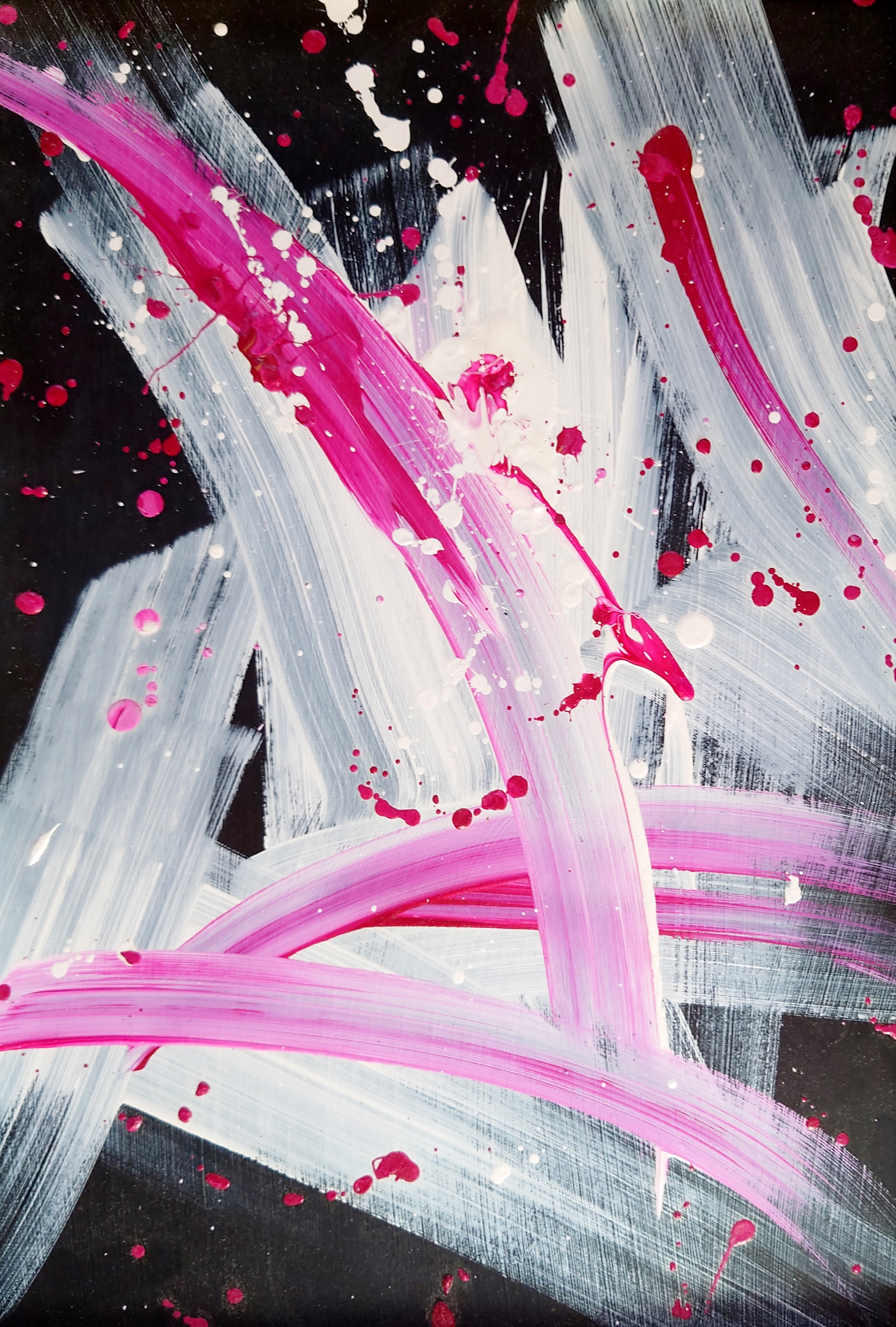
“Head over Heels in Love” stands out with its more vibrant, perhaps more intense, use of color and form. The painting’s title suggests passion and a whirlwind of emotion, which is reflected in the energetic and somewhat chaotic composition. This work could be about the complexities and fervor of love, as experienced by the artist or as a universal concept.
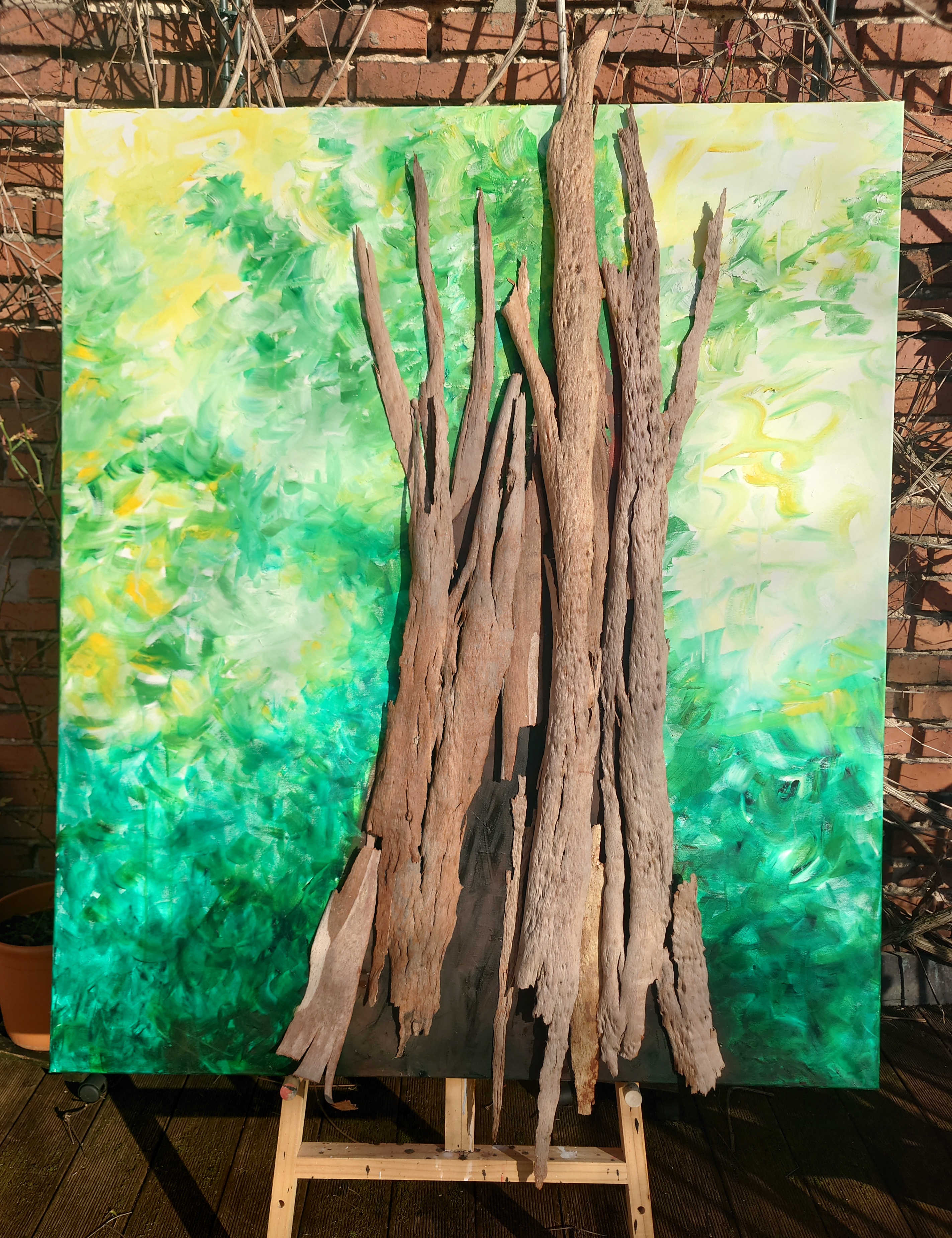
“Place of Refuge” evokes a sense of tranquility and safety. The use of warm, soft hues, and the inclusion of natural elements such as trees, can create an atmosphere of serenity. This piece may speak to the universal human search for a peaceful sanctuary, a theme that resonates with many.
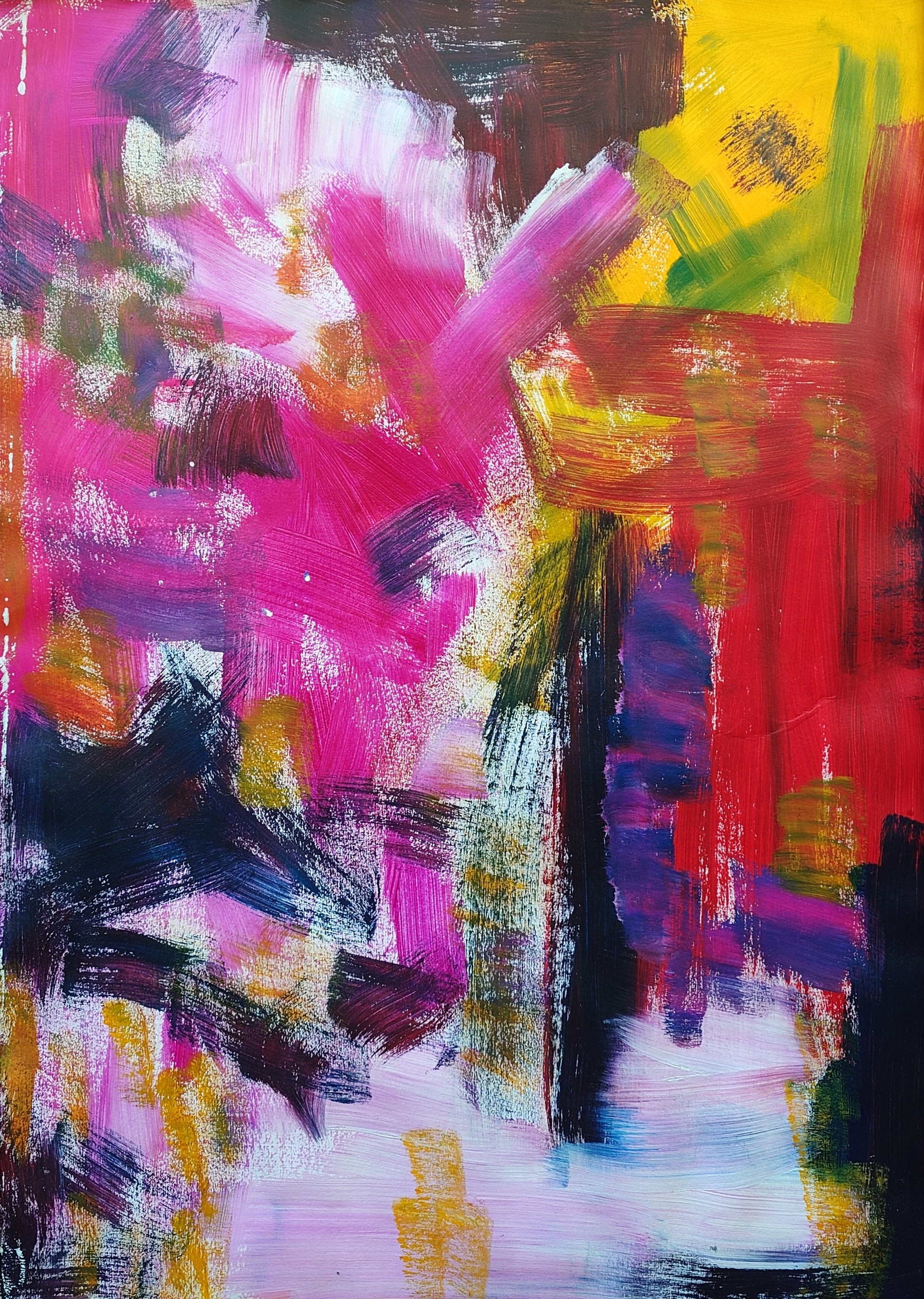
“In the World of Fantasy” may represent a departure from reality into the realms of imagination. The bold colors and abstract forms suggest a dreamscape where the usual rules of physics and logic do not apply. This painting could be an invitation to let go of the constraints of the real world and allow oneself to be carried away into the realms of fantasy.
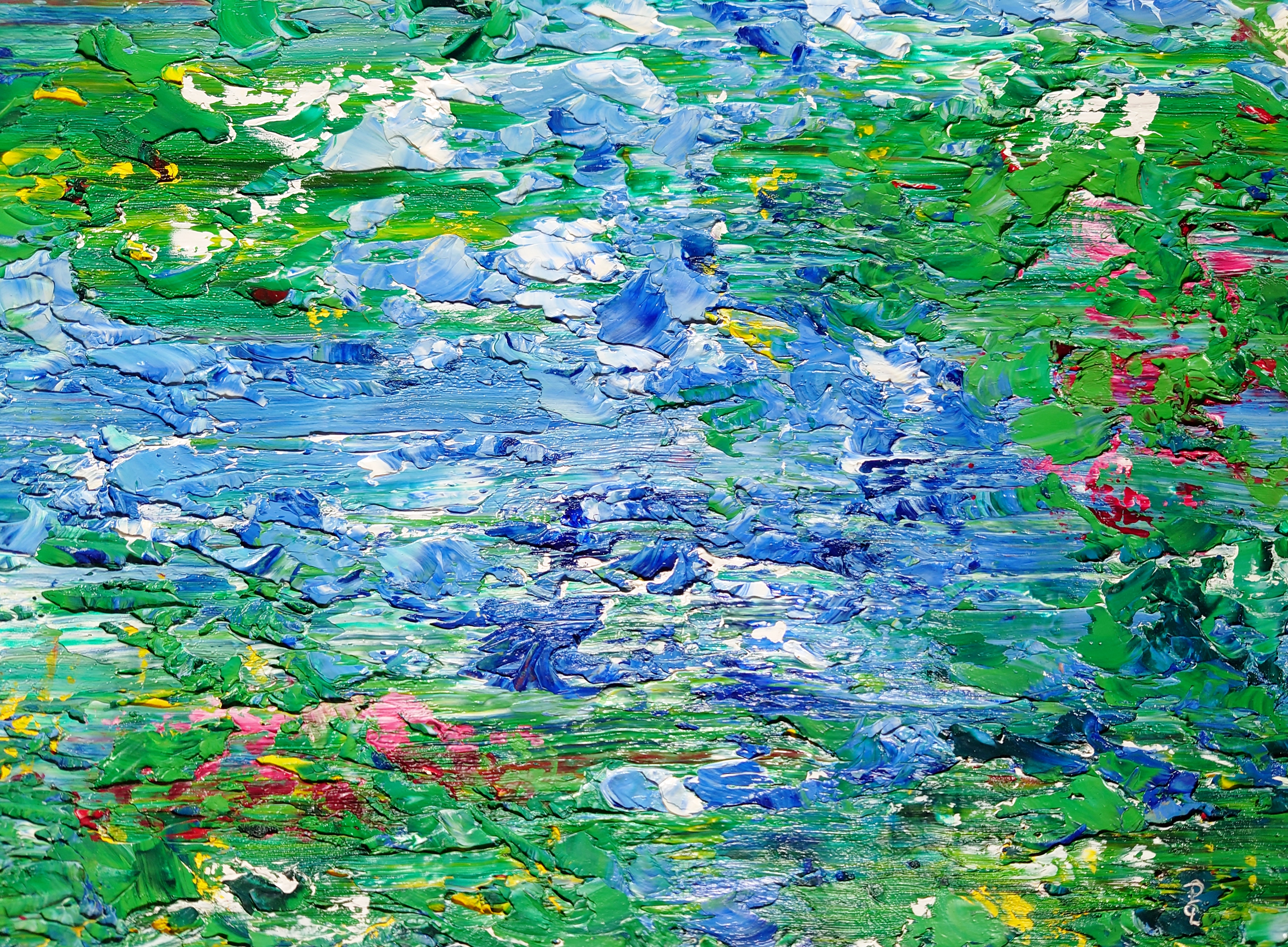
“In Monet’s Garden” may draw direct inspiration from the famous impressionist Claude Monet. The play of light and shadow, along with the loose interpretation of a garden scene, reflects Monet’s approach to capturing the transient effects of light on nature. The choice of colors and the thick application of paint could be a homage to Monet’s lush garden at Giverny.
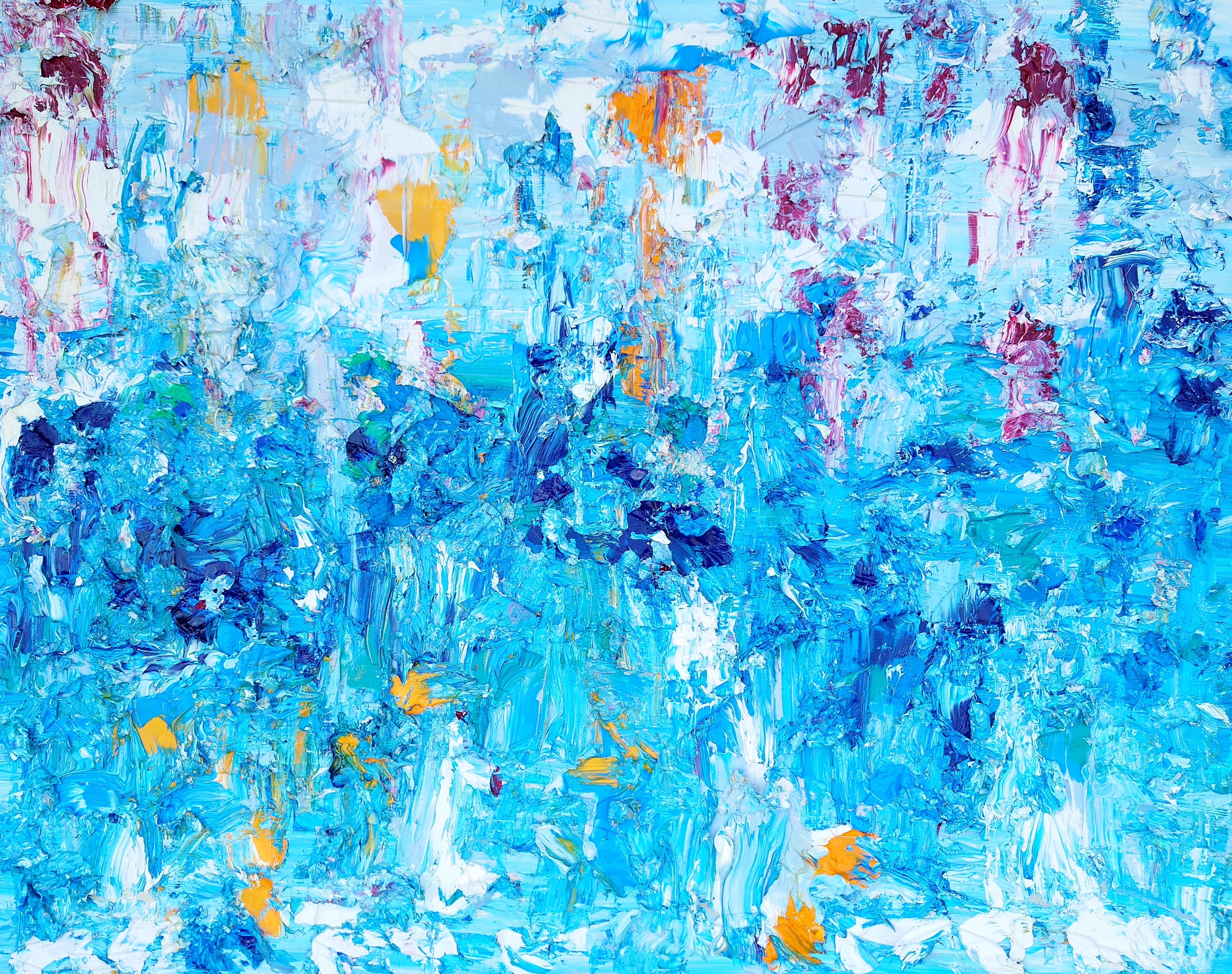
“La Musica del Mare” is likely to draw upon the sensory experiences of the seaside, with its cool palette and horizontal sweeps of color that mimic the rhythm of waves. The painting could be interpreted as an abstract representation of the sea’s music, with its ebbs and flows, highs and lows, much like the melodies of a song.
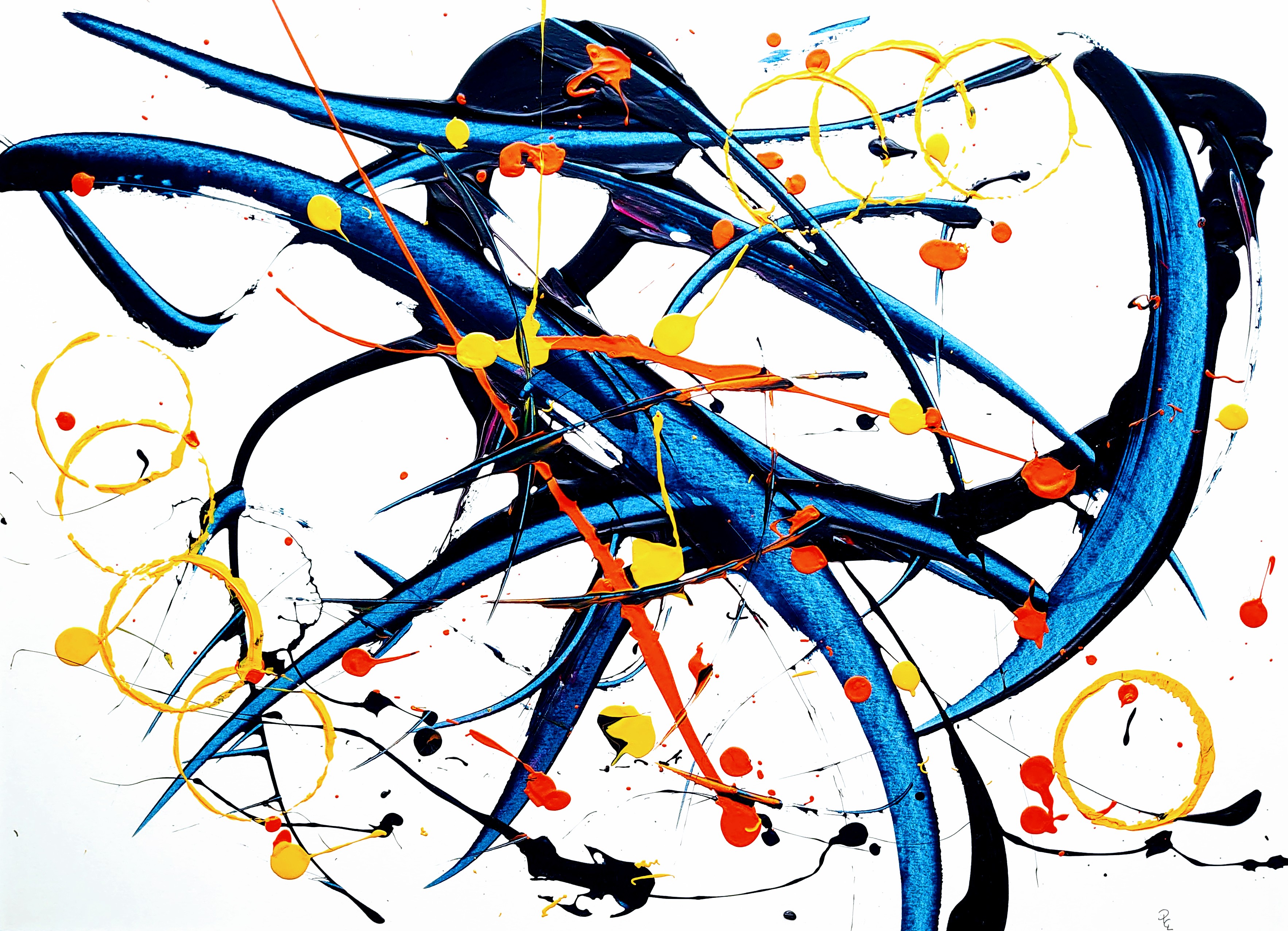
“Leonard Bernstein Conducting” potentially captures the dynamism and passion of the famed conductor. If the painting is indeed a tribute to Bernstein, it may use abstract forms to convey the intensity and motion of conducting an orchestra, with the colors representing the various sounds and harmonies created by the instruments.

“The Dance of the Whales” transports us to a different realm, possibly under the sea. The dynamic composition and the fluidity of the forms could be seen as a representation of marine life. The blues and whites contribute to the aquatic theme, and the painting’s title suggests movement and grace, much like the majestic dance of whales in the ocean depths.
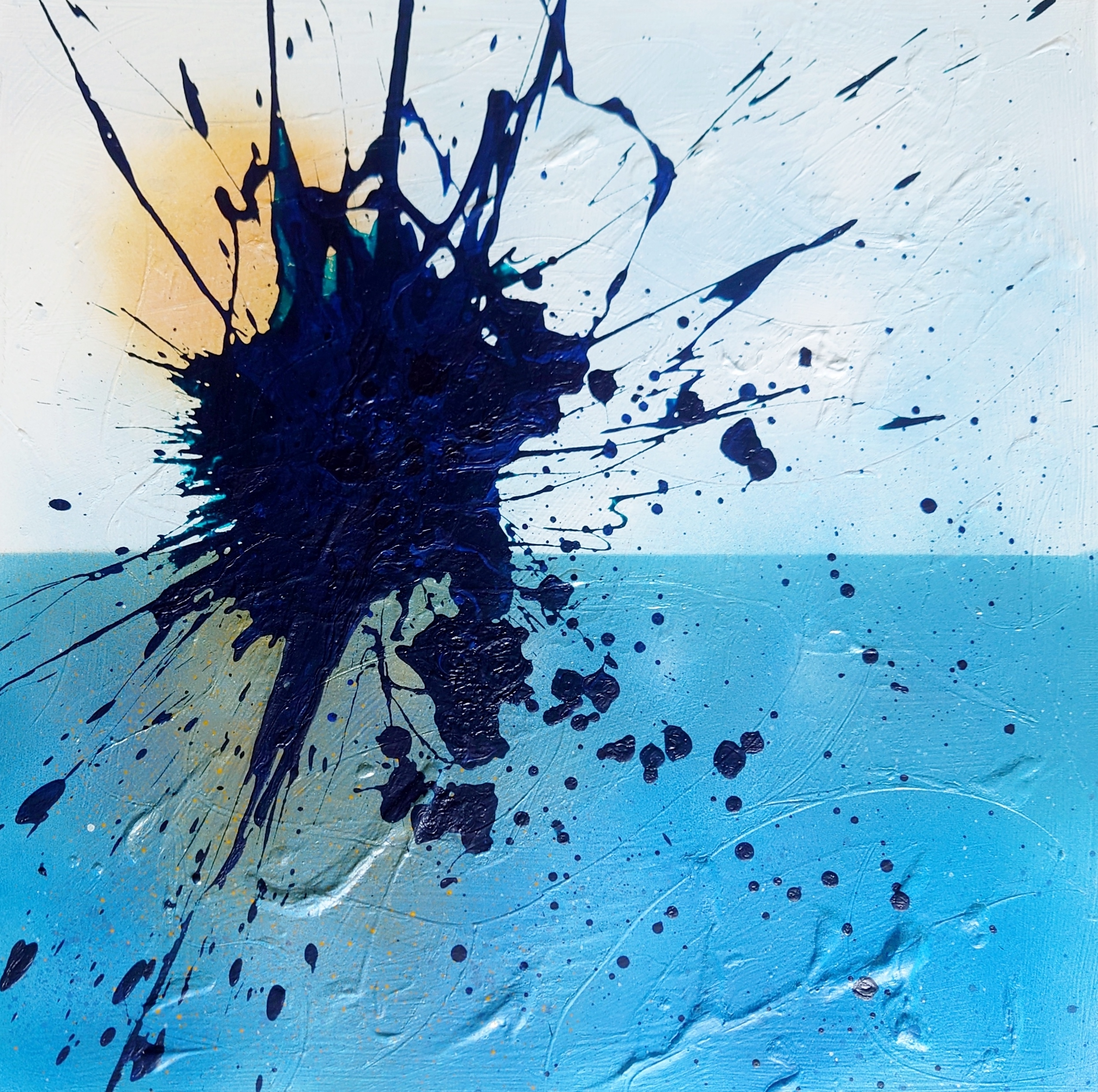
The powerful art of the intense author Petra Dippold-Goetz is openly a battle, with the painter positioned in the front row, fighting for the sacrosanct rights of every person: the right to beauty, to emotion, to the freedom to be oneself, to love and be loved. The work exhibited here, therefore—entitled Dorê il sole (Where is the sun)? —represents, in a suggestive and fascinating way, a dual cry of denunciation and freedom.
On the one hand, the blue spot that obscures part of the painting, where the background represents a sun, a sky, and a sea, recalls a famous quote by the master Picasso: “Learn the rules like a professional, so that you can break them like an artist,” evoking the freedom of the artist to express their creativity, free from rules, canons, and conventions. This also corresponds to the individual’s freedom to express their own uniqueness, far from a homogenizing and depersonalizing globalization.
On the other hand, the blue spot symbolizes how very often the contemporary world, intent on the pursuit of appearances and material wealth, forgets the essence and often stops only to look at the finger pointing towards it, neglecting the beauty it indicates. If there is a reference work, it is “The Old Blind Guitarist” by Pablo Picasso, belonging to his “Blue Period,” where this chromatic choice represents a sort of veil that covers the beauty of the world, highlighting a pessimistic and melancholy vision of current human existence. The blue spot is therefore a poignant and intense interpretation of the human condition, inviting the spectator to reflect on their own existence, to remove the blindfolds from their eyes that separate them from the vision of beauty.
 Petra Dippold-Götz